2 Days in Porto: The Ultimate Itinerary to Experience the City Like a Local
Porto is more than just a gateway to the North; it is a city of granite, grit, and incredible grace. Known as the Cidade Invicta, it grips you with its narrow medieval alleys, smells of charcoal-grilled sardines, and the melancholic echo of Fado. But with only 2 days, the challenge is real: how do you balance the famous Port wine cellars with the burgeoning art scene? How do you see the landmarks without feeling like just another tourist in a crowd? This guide is designed to help you navigate Porto with purpose, ensuring you experience the authentic heartbeat of the city while making the most of every hour. Don't waste a moment; explore all Porto unique experiences now and start planning.
In this article
1. Planning Your Arrival: Logistics & Where to Stay
Before you hit the cobblestones, let's talk logistics. Getting from Francisco Sá Carneiro Airport to the center is seamless via the Metro (Line E). For the best experience, we recommend staying in the Baixa (Downtown) or Cedofeita districts. These areas put you within walking distance of almost everything.
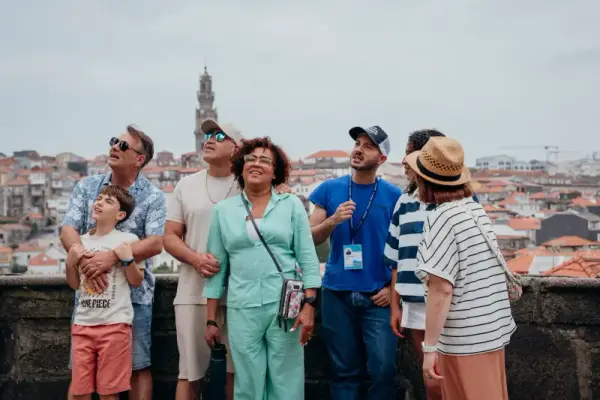
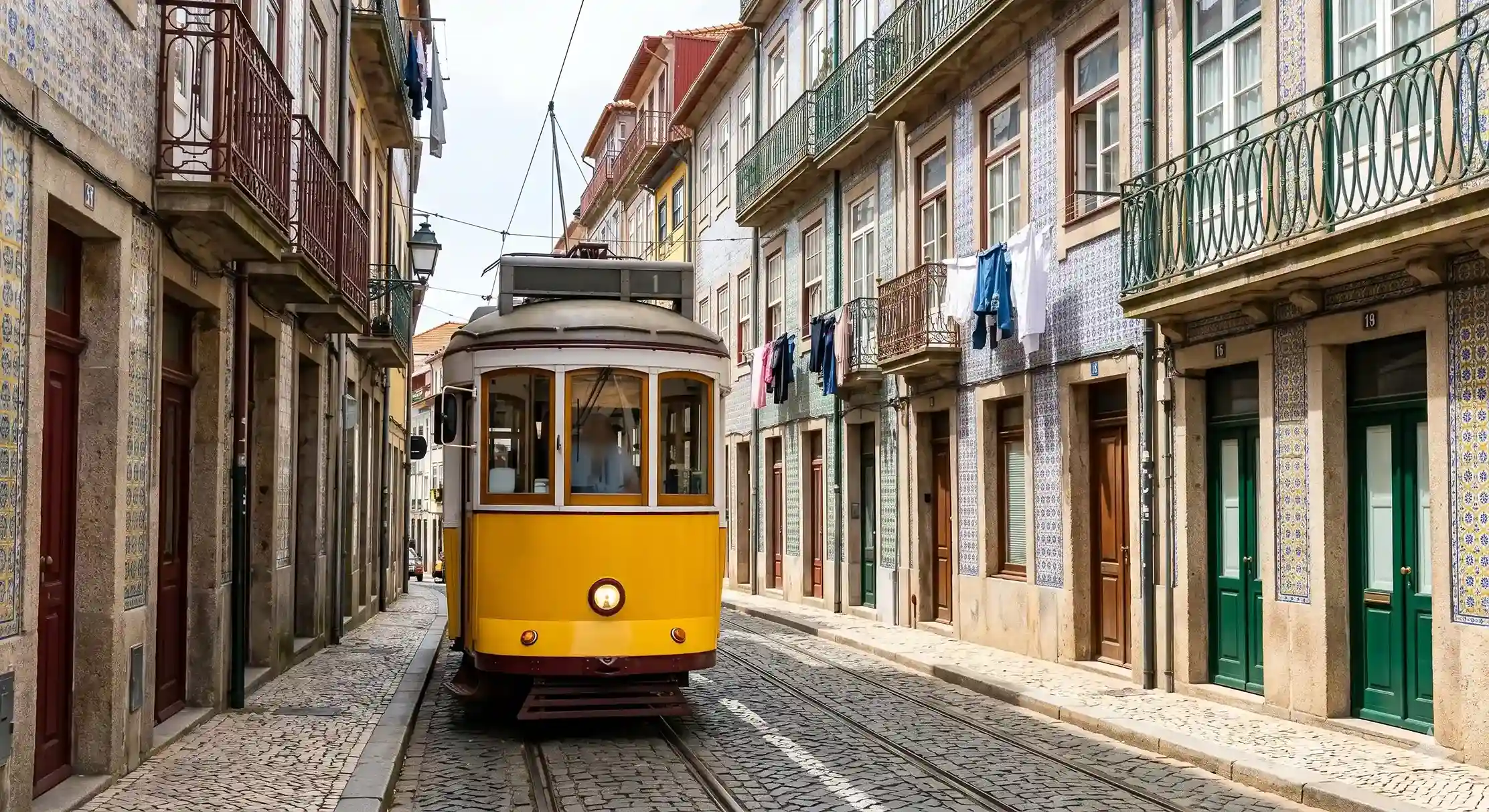
Pro Tip: Porto is notoriously hilly. Wear comfortable shoes with good grip—those scenic "calçada" stones can be slippery, especially if a light Atlantic mist rolls in. To make navigation easier and ensure you hit all the major landmarks, we highly recommend booking a Porto highlights walking tour for your first day. If your legs need a break later, the vintage Tram 1 or the Funicular dos Guindais offer iconic rides with a view.
2. Day 1 Morning: The Icons of the "Baixa"
Start your journey at the Clérigos Tower. We suggest booking the first slot of the morning to avoid the queues. The 225-step climb rewards you with a panoramic view of the Douro valley that is unmatched. Just a few steps away is the Livraria Lello, famously (and accurately) called the most beautiful bookstore in the world. To truly enjoy its neo-gothic staircase, a pre-booked ticket or a guided tour that includes Livraria Lello access is mandatory.
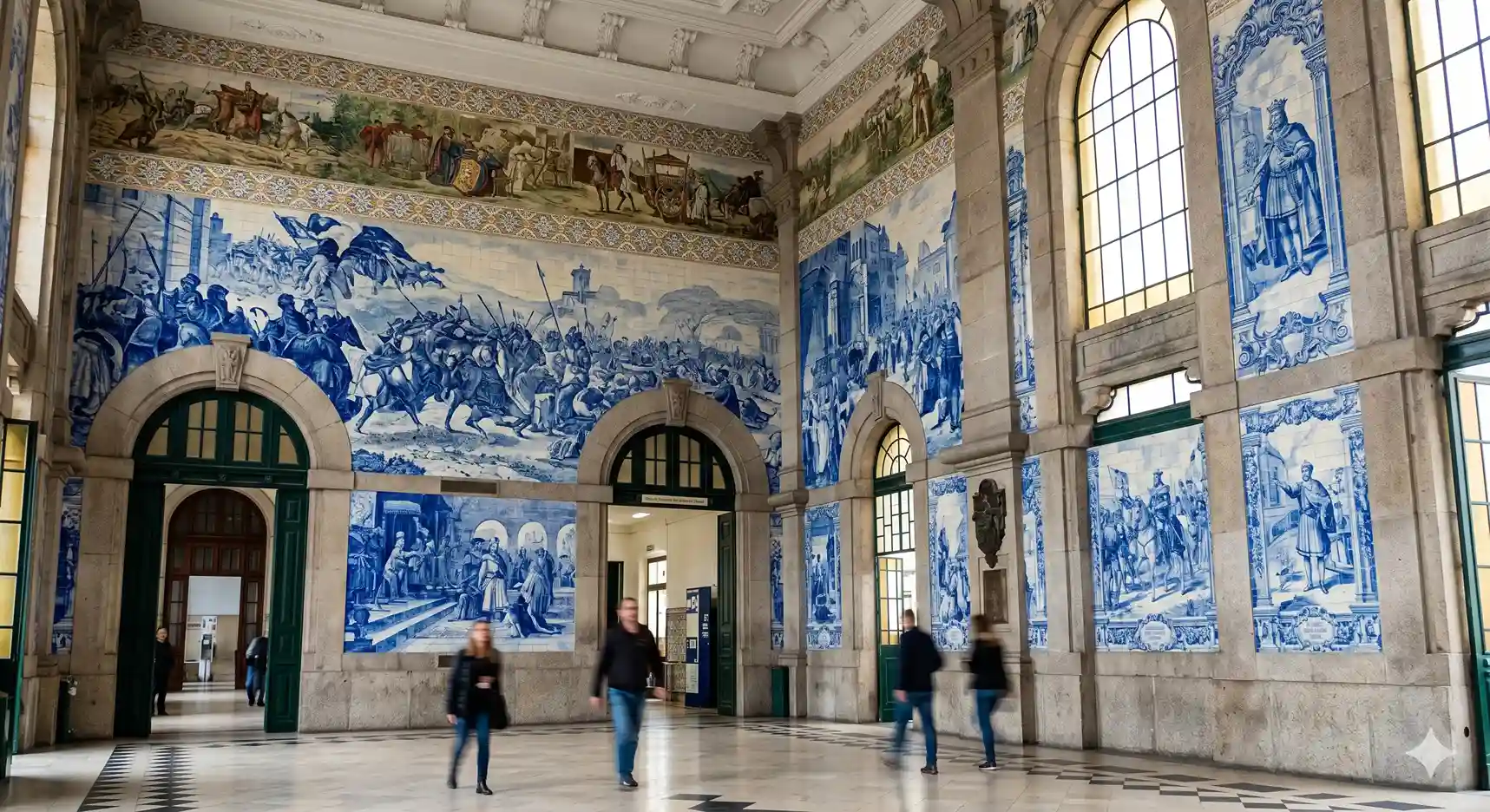
From there, walk towards the São Bento Train Station. Don't just look at the trains; spend time admiring the 20,000 azulejos (tiles) that depict Portugal's most epic battles. It’s a free open-air museum. For a mid-morning snack, grab a Pastel de Nata at Manteigaria—many locals argue they are even better than the ones in Lisbon!
3. Day 1 Afternoon: Ribeira’s Alleys and the Golden Sunset
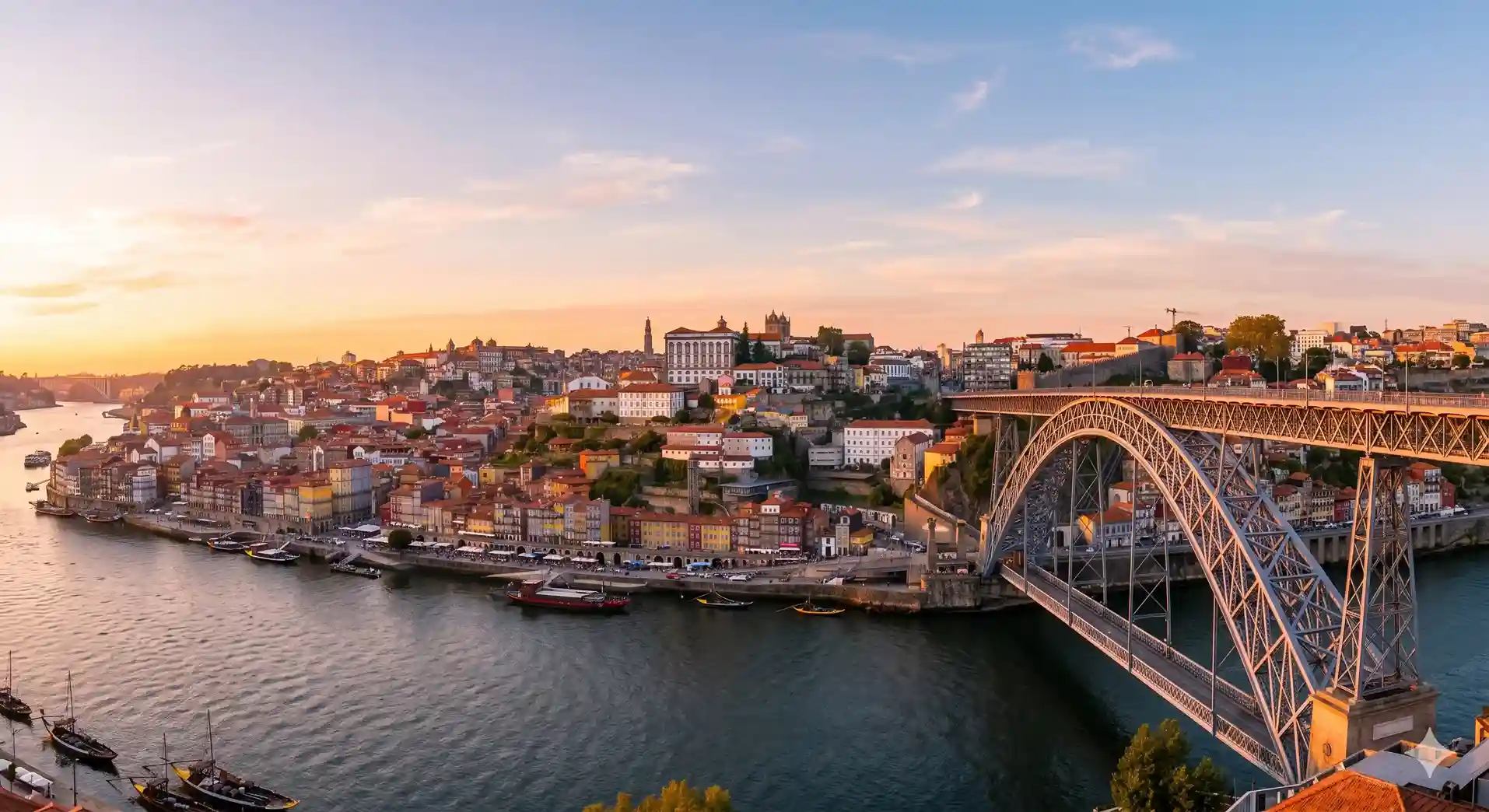
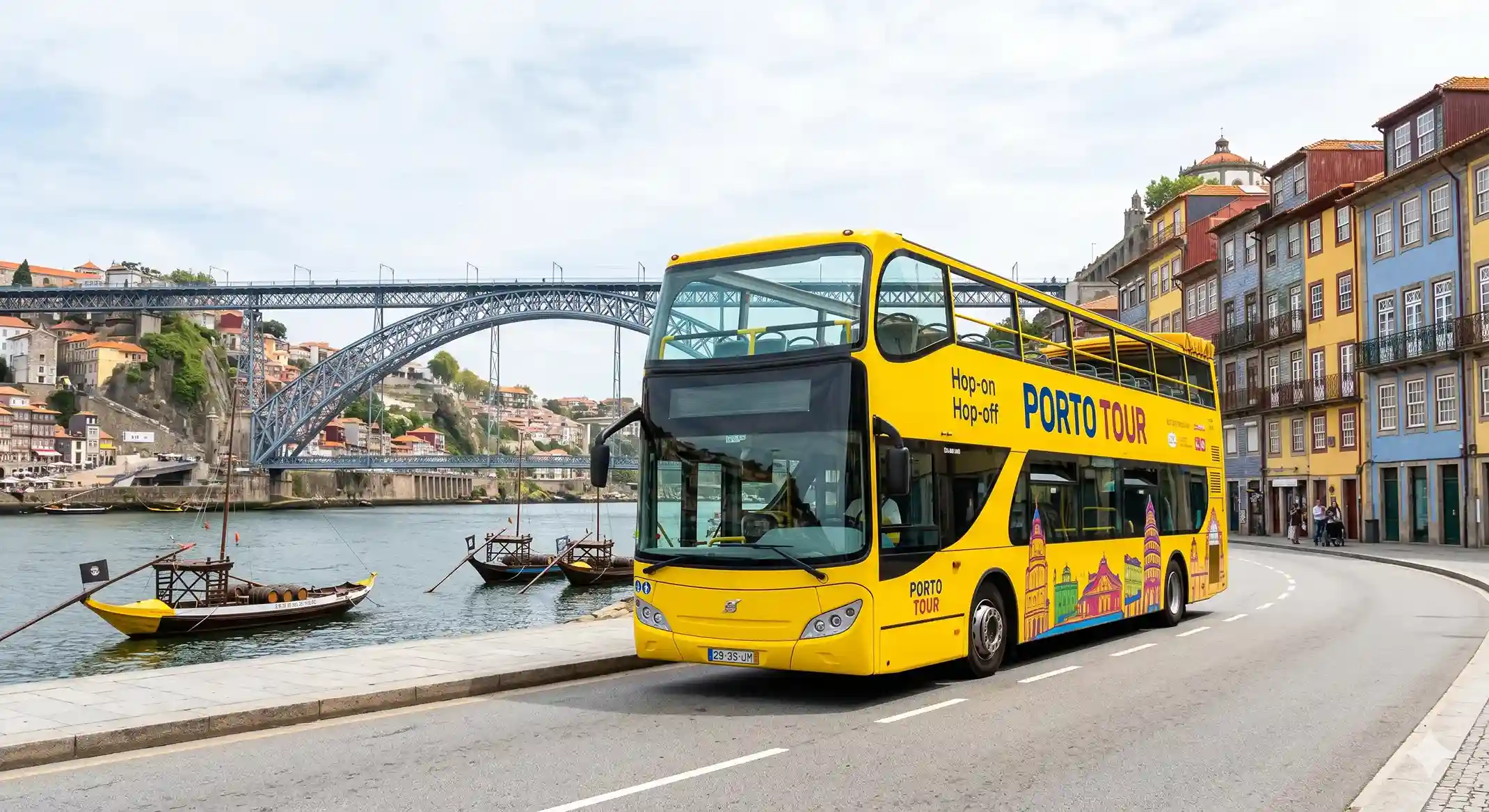
As you head down towards the river, skip the main tourist streets and lose yourself in the Barredo neighborhood. This is the oldest part of Porto, where laundry hangs from balconies and neighbors chat across narrow gaps. It leads you directly to Ribeira, the UNESCO World Heritage riverfront. If you find the steep hills challenging, consider exploring the city with a Porto hop-on hop-off bus tour to see all the major landmarks in total comfort.
While Ribeira is beautiful, the best way to see it is from the water. Board a 6 Bridges Boat Tour to understand the city’s relationship with the Douro. After docking, walk across the lower deck of the Dom Luís I Bridge to Gaia, but make sure to be on the Morro Garden (Jardim do Morro) for sunset. It’s a local ritual: hundreds of people gathering with a drink in hand to watch the sun dip behind the city skyline while street musicians play in the background.
4. Day 2 Morning: Port Wine and the Art of Gaia
Cross over to Vila Nova de Gaia, but this time, go deep. While the big names are great, we recommend booking a premium Port Wine tasting in one of the smaller, family-owned cellars for a more intimate experience. You’ll learn the difference between Ruby, Tawny, and the rare Vintage ports.
After your tasting, take a short stroll to see the "Half Rabbit" by Bordalo II—a stunning piece of street art made entirely from recycled trash. If you’re feeling hungry, head to the Mercado da Beira-Rio for a modern take on traditional Portuguese tapas.

5. Day 2 Afternoon: Foz do Douro & Modern Porto
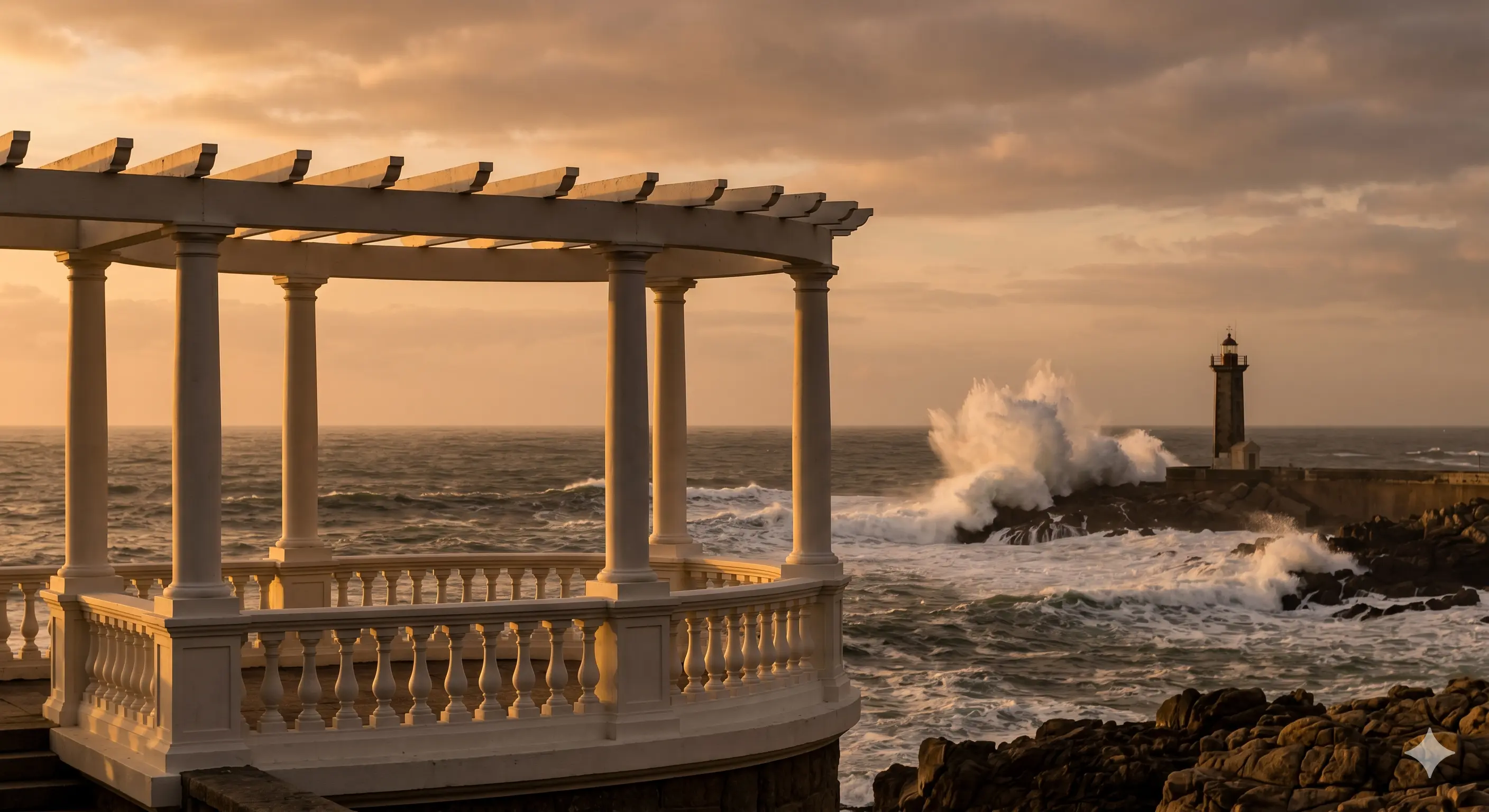
Spend your final afternoon where the river meets the Atlantic. Take a bus or the old tram to Foz do Douro. This is where Porto feels most sophisticated. Walk along the Pergola da Foz and watch the waves crash against the Felgueiras Lighthouse.
If you prefer art over the ocean, head back inland to the Serralves Museum of Contemporary Art. Its Art Deco gardens and the "Treetop Walk" are a breath of fresh air. To wrap up your 48 hours, you must try the Francesinha. For the best version, look for places like Brasão or Santiago—it’s a heavy, saucy, meat-filled sandwich that defines Porto’s culinary soul.
6. Essential Porto Travel Tips
Book Experiences Early: Porto has become incredibly popular. Private tours and cellar visits fill up weeks in advance. Browse the best Porto things to do and secure your spot early.
The "Andante" Card: Buy this for the metro; it’s cheap and easy to top up.
Dinner Times: Locals eat late. Most good restaurants only start filling up after 8:00 PM.
Water: Tap water in Porto is perfectly safe and delicious to drink.
7. Frequently Asked Questions (FAQs)
Can I see Porto in 2 days? Absolutely. While you won't see every museum, 2 days is the perfect amount of time to cover the historic center, the riverfront, and the wine cellars without feeling rushed.
Is Porto expensive? Compared to other European capitals, Porto offers excellent value. You can find high-quality meals and world-class wine for very reasonable prices.
When is the best time to visit? Spring (May-June) and Autumn (September-October) offer the best weather and fewer crowds. June 23rd is the São João Festival, the city's biggest party—it's an incredible experience, but expect massive crowds and higher prices.
Related Services
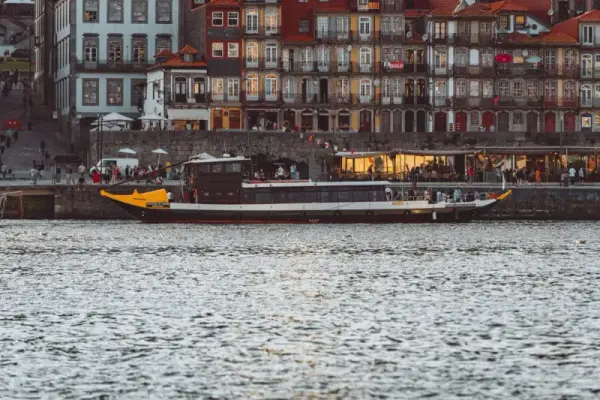
6 Bridges Cruise
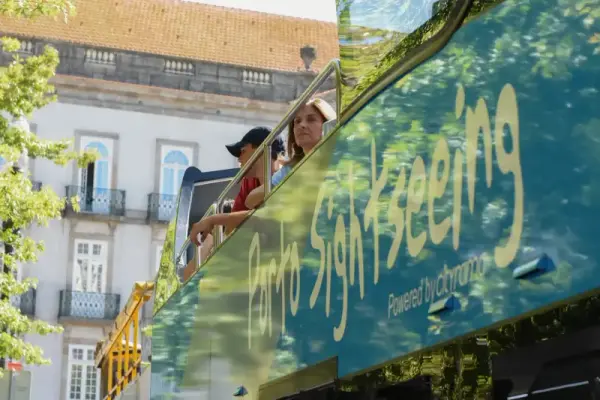
Porto Sightseeing Bus - Classic 48h

Porto: Fado Show with Guided Tour in a Historic Monastery